Balance test
The door is released from the opener and lifted by hand. A correctly balanced door stays put around waist height instead of dropping or rising on its own. This one test says more about spring condition than any other check on the list.
Most garage doors give warning long before they quit. A tune-up is the visit you book while the door still works: Tempe Garage Door Service balances it, lubricates the moving parts, tightens the hardware and tests the opener’s safety reverse, then tells you what is wearing and what can wait.
The desert sets the pace here. A closed Tempe garage can sit far above the outdoor temperature through the summer, which bakes the grease out of roller bearings and turns rubber seals hard and brittle. Then the monsoon arrives and blows fine dust into every track and bearing that no longer has any lubricant left to protect it.
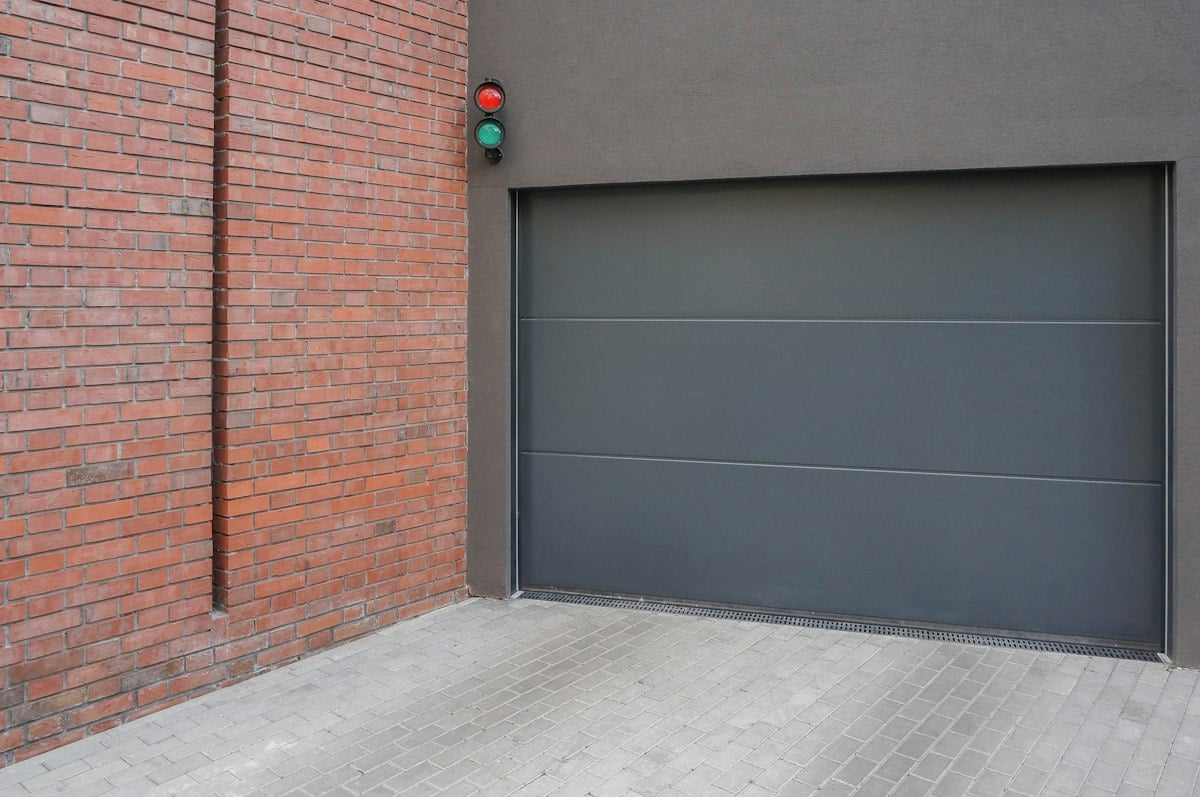
A tune-up is a fixed set of checks on a working door. If something is already broken it becomes a repair instead, and you hear that before any work starts.
The door is released from the opener and lifted by hand. A correctly balanced door stays put around waist height instead of dropping or rising on its own. This one test says more about spring condition than any other check on the list.
Hinges, roller stems, bearing plates and the spring coils get a lubricant made for garage doors. The tracks are wiped clean rather than greased, because anything oily on a track simply collects dust and makes the rollers skate.
Hundreds of cycles a year work fasteners loose. Hinge screws, track brackets, the opener’s mounting bolts and the lag bolts holding the horizontal track to the ceiling are all checked and brought back to tension.
The bottom seal, jamb weatherstripping and top seal are inspected for cracking and gaps. A worn seal lets in blown dust, rain during a monsoon downpour and the scorpions and other pests that like a shaded garage floor.
Travel limits and force settings are checked, the photo-eye sensors are aligned and the door is tested for reversal on contact with an obstruction. A door that does not reverse is a safety fault, not a preference setting.
Cables, drums, rollers, hinges and the spring set are examined and you are told what is worn, what is nearly done and what is fine. Anything that needs replacing is quoted, and you decide whether to do it now or later.
A tune-up is maintenance, not a rescue. If a spring has already snapped or a cable has slipped its drum, the visit turns into spring repair or cable and roller repair, and the price for that is quoted before anything is opened. Nobody should attempt spring work themselves: the springs hold enough stored energy to cause serious injury even when they look slack.
Plenty of complaints that sound like opener trouble are really maintenance items. A motor straining against a door that is out of balance, or a photo-eye knocked out of line by a passing bike, both behave like a failing unit. Those are checked here, and anything deeper goes to opener repair or sensor and keypad repair.
If the door is old enough that every visit finds something new, the repair versus replacement comparison is the better place to start. Otherwise, the full list of work is on the services page, coverage for outlying communities such as Queen Creek is set out on its own page, and you can send the details from the service request page.
Once a year suits most households, and twice a year is reasonable for a door that is the family entrance and runs many times a day. Heat and blown dust are harder on rollers, bearings and seals here than a manufacturer’s general guidance assumes, so use how the door sounds and moves as the real prompt.
The technician pulls the release cord, lifts the door by hand to about waist height and lets go. A balanced door holds roughly where it is left. If it slams down or springs upward, the spring tension is wrong for the weight of the door, and the opener has been carrying the difference. That is what wears out motors and gears early.
Yes, within limits. A spray lubricant made for garage doors on the hinges, roller stems and bearing plates is safe and useful between visits. Keep it off the tracks, do not use household oil or general-purpose penetrating spray, and leave the cables and cable drums alone entirely.
No, and any company that promises that is overselling. Springs fail on cycle count, not on neglect alone. What maintenance does is keep the door balanced and the hardware sound so the spring reaches its rated life instead of falling short, and it gives you warning when the coils start to show wear.
If the door still works but sounds tired, a tune-up is the cheaper visit to book.